Spitzmaus Mummy in a Coffin and Other Treasures Review
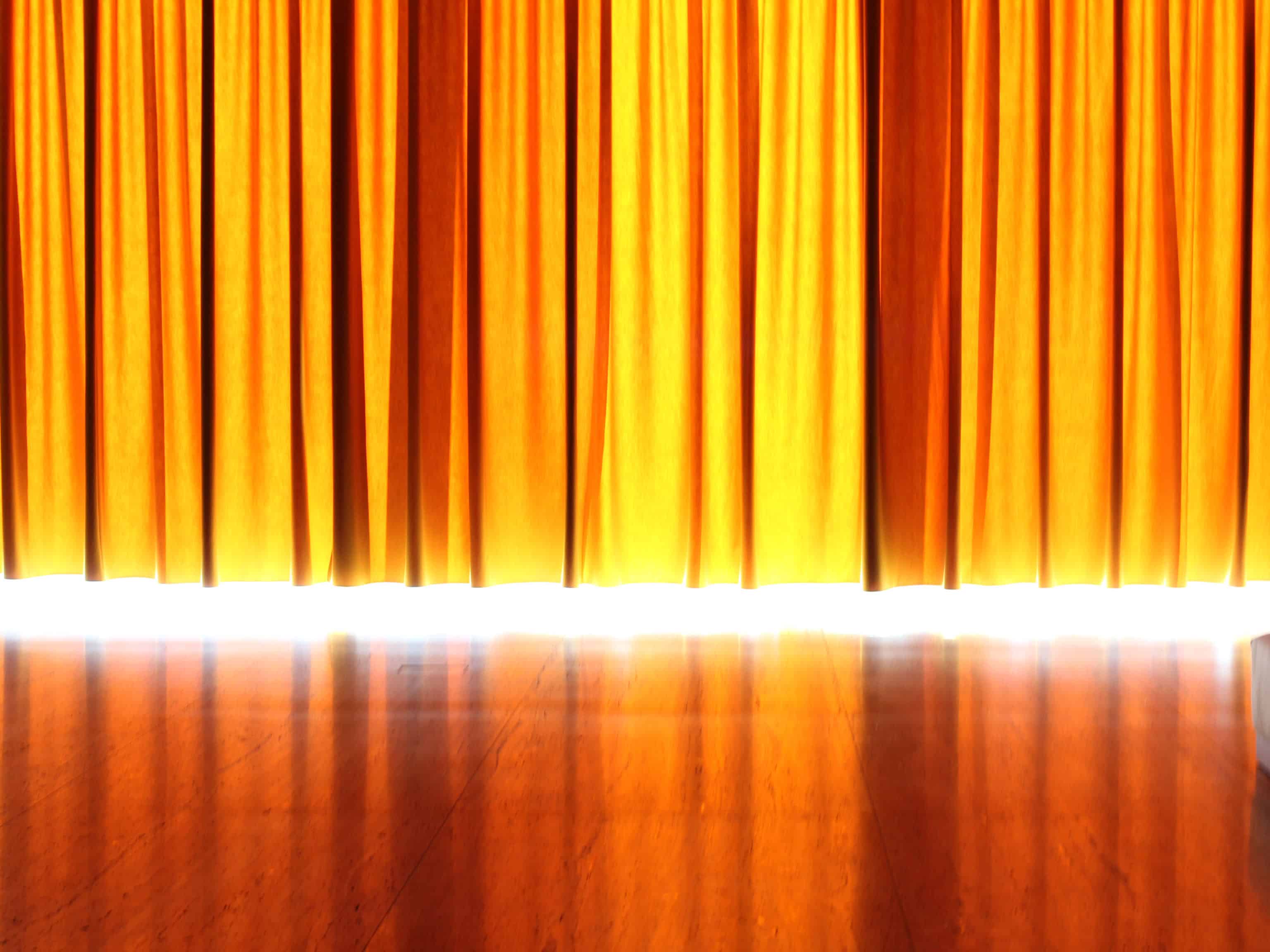
„Spitzmaus Mummy in a Bury and Other Treasures" exhibition, photo: Dobrosława Nowak
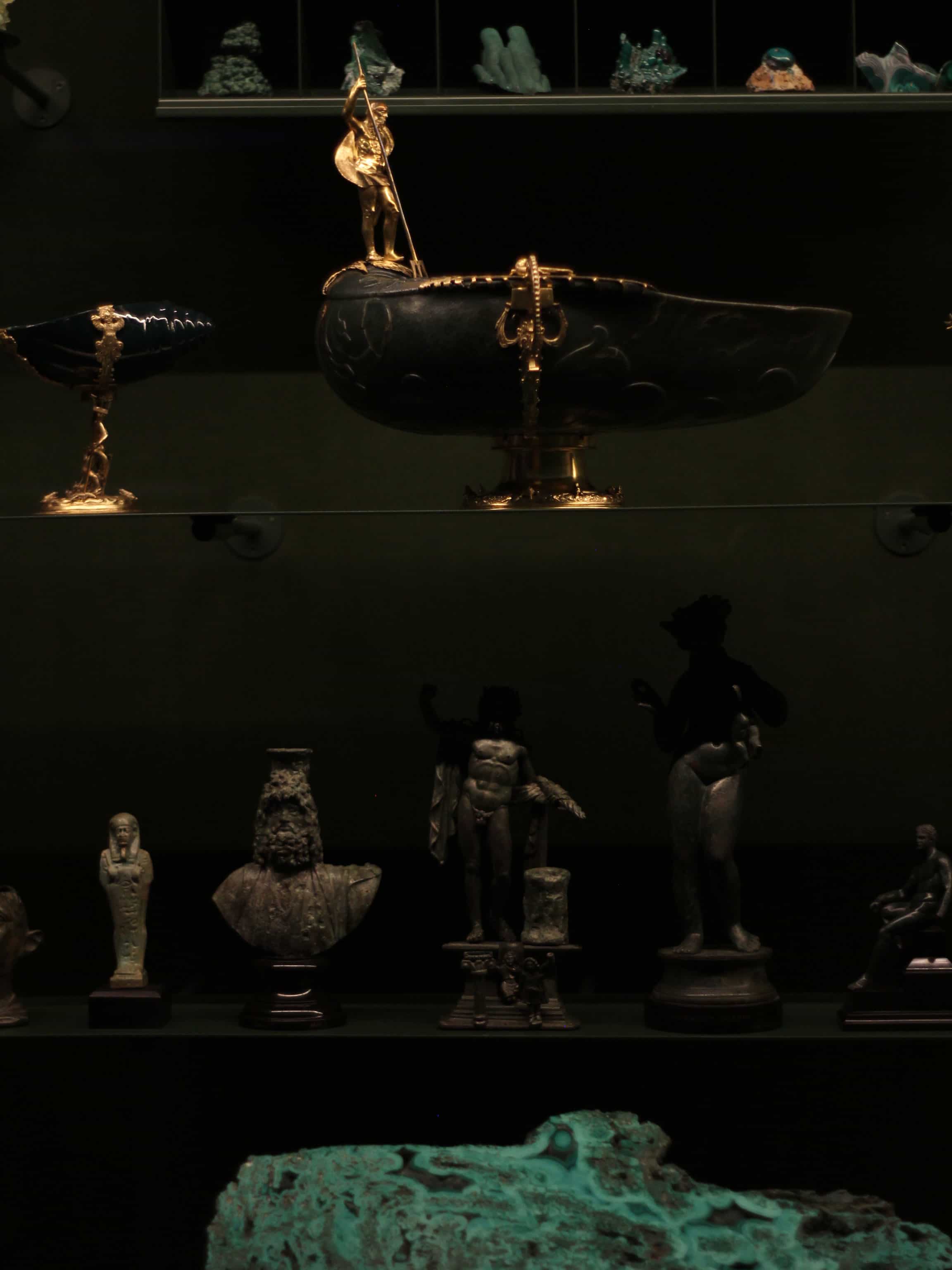
"Il Sarcofago di Spitzmaus e altri Tesori" („Spitzmaus Mummy in a Bury and Other Treasures") is an exhibition project conceived by the director Wes Anderson and the designer, illustrator, writer, every bit well every bit Anderson's wife – Juman Malouf. The brandish is said to 'challenge the traditional canons that define museum institutions'. Equally innovative equally it sounds, the infinite with a Wunderkammer-like organisation was inspired by Ambras Castle in Innsbruck, a 16th-century palace designed to firm the collections of Archduke Ferdinand II of Habsburg and his wife Philippine Welser. What is and so revolutionary about it then? The role that breaks new footing is the authors' idea to juxtapose 537 natural findings, artworks and artefacts from over 5000 years of man being (time bridge that extends from 3,000 BC to 2018) in an order unheard of before; to showcase them deliberately non-academically (unconcerned with time periods and chronological accuracy), and to emphasize the interdisciplinary approach. Some works are grouped: green objects, wooden objects, children's' portraits, miniatures, animals, timepieces, boxes, portraits of noblemen and common people, natural subjects, meteorites and animals, presented equally scientific exhibits or creative depictions. The curatorial try is aimed at 'taking the form of a reflection on the motivations that guide the deed of collecting and on the ways in which a drove is kept, presented and lived'. Despite this, the impression that the exhibition makes is emanating with a rather low-cal-hearted atmosphere. The title of the exhibition refers to i of the exhibits, the coffin of a Spitzmaus, an Egyptian wooden box with a mummified shrew from the 4th century BC. Juman Malouf fondly draws it many times, and it seems clear who stands backside the thought of this mascot becoming a leitmotiv of the exhibition.
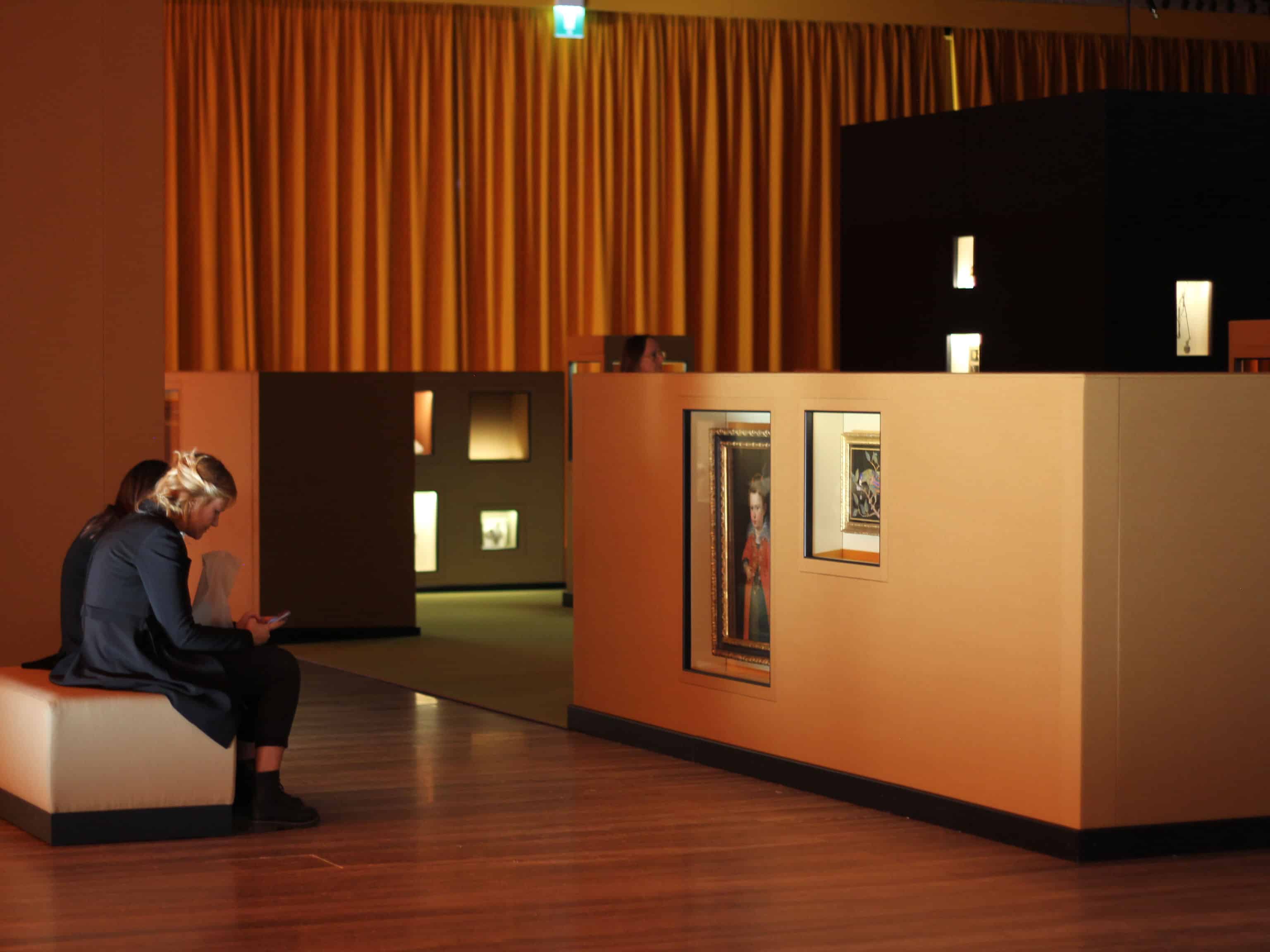
„Spitzmaus Mummy in a Coffin and Other Treasures" exhibition, photo: Dobrosława Nowak
More nigh the spatial frameup of objects tells Wes Anderson himself in the friendly introduction to the exhibition's catalogue: "We situate the seventeenth-century emeralds in a confined space opposite the bright green costume from a 1078 product of Hedda Gabler in order to call attention to the molecular similarities between hexagonal crystal and Shantung silk; we place the painting of a seven-twelvemonth-sometime falconer (Emperor Charles Five) next to the portrait of a iv-year-erstwhile dog possessor (Emperor Ferdinand II) in social club to emphasize the evolution of natural gesso; a suitcase for the storage of the war-robe of a Korean prince goes next to a case for the crown of Rudolf II, because both were then clearly shaped and formed by the introduction of the swivel". A few sentences further he writes that even for the both of the greatest museum's specialists, these inner references were pretty difficult to notice, and, in a sense, he admits curatorial defeat, at the same time emphasizing the importance of experimenting with creative tactics.
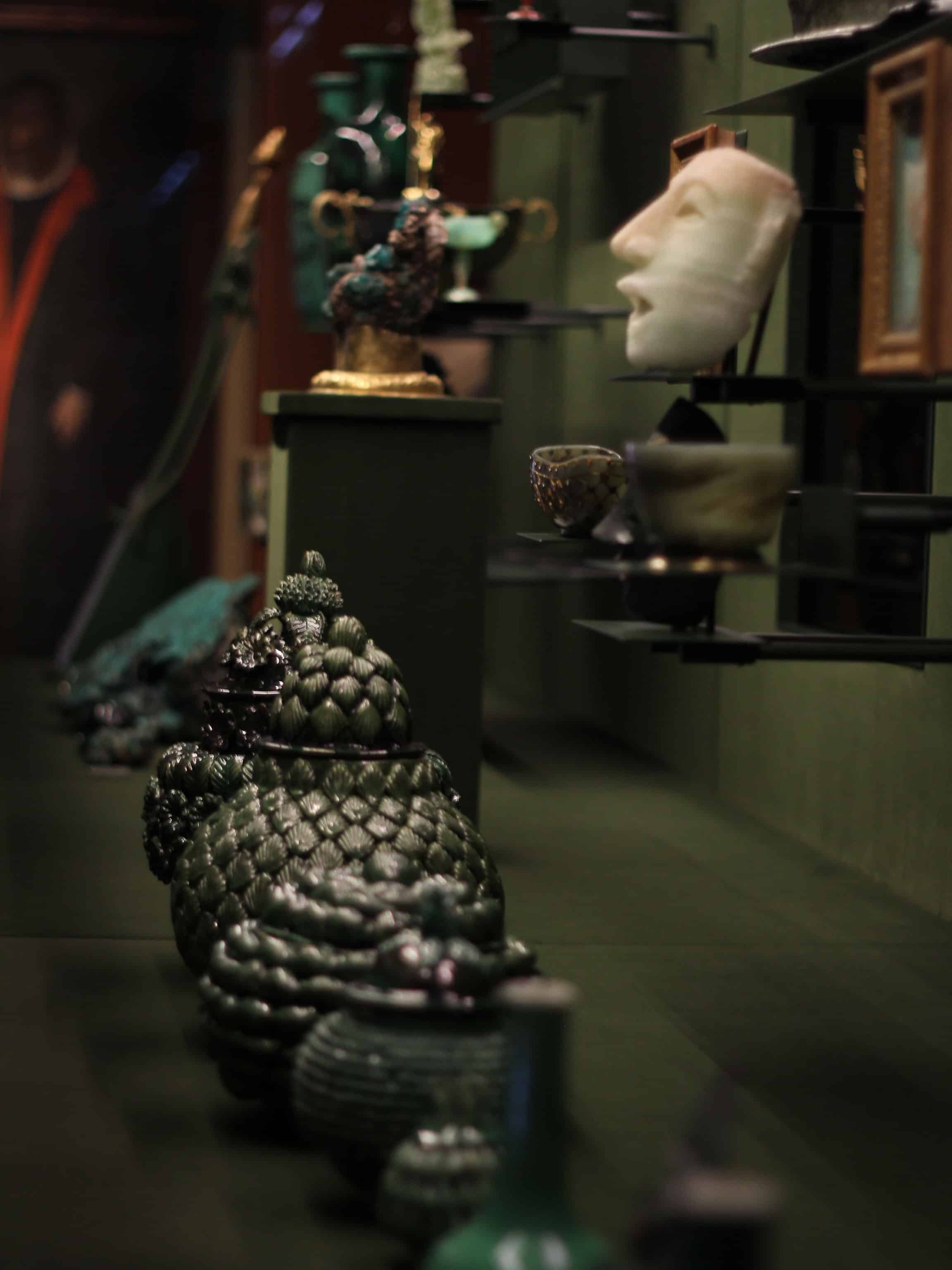
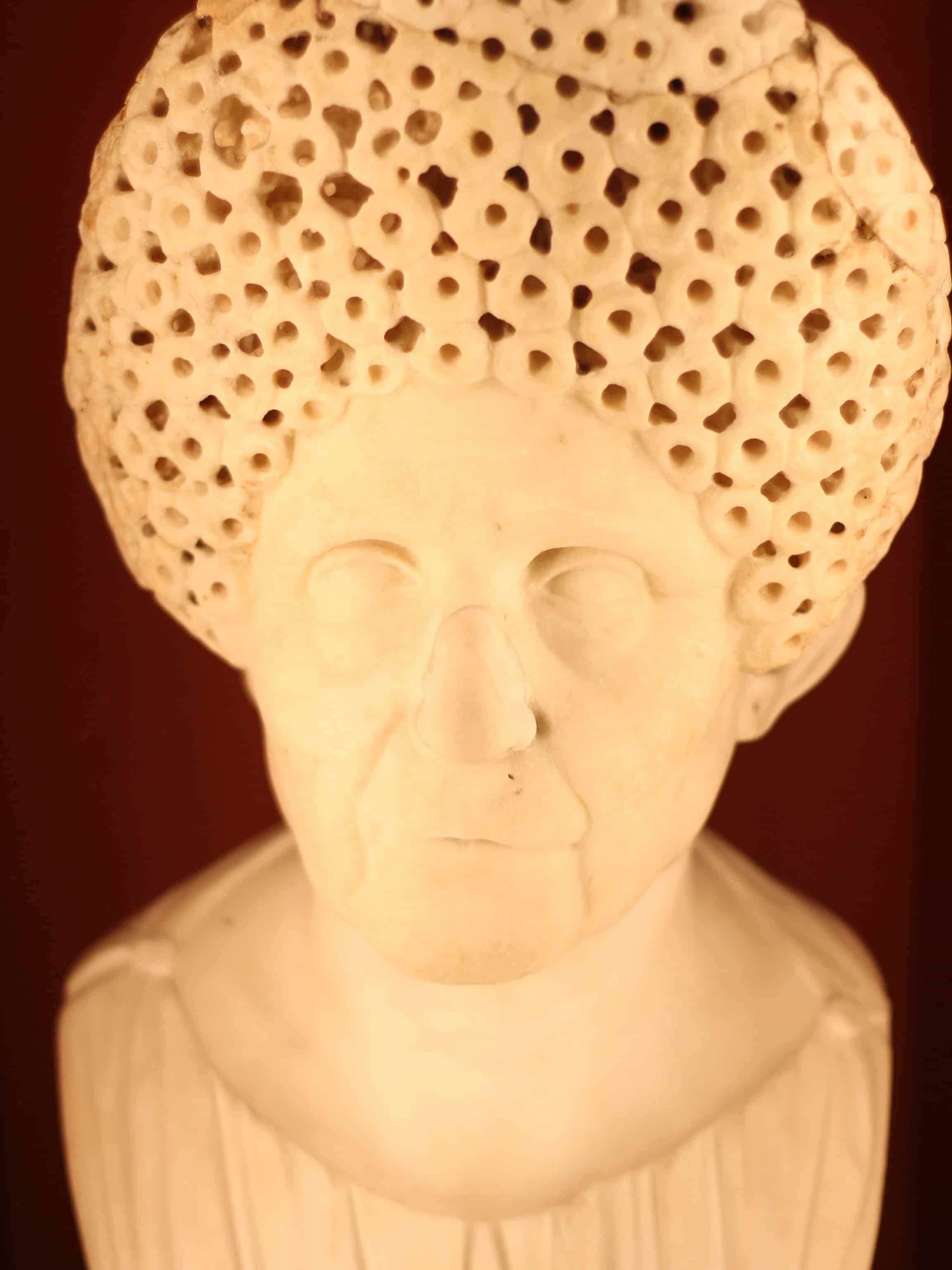
For this cutting-edge exhibition, Fondazione Prada collaborates with the Kunsthistorisches Museum (its 12 collections) and its twin museum Naturhistorisches Museum (11 departments), Vienna. This is probably one of the most beautiful outcomes of the whole experience. When two influential institutions are able to join forces and carry out costly and heavy, fragile operations on objects, (including ship, brandish, etc. – sometimes art is also about the down-to-earth issues), to create such visually smoothen circumstances is already a win. By challenging the traditional museum canons, artists and galleries propose new relations betwixt the institutions and their collections, too as between professional figures and their public.
The inaugural exhibit of the arrangement conceived by Wes Anderson and Juman Malouf was already presented in Vienna in 2018. Now information technology has been moved to Fondazione Prada in Milan. The current display infinite covers a larger area and has a greater number of exhibits. Alongside the exhibition, the project is completed past an creative person's book published past Fondazione Prada. The publication takes the form of a box including drawings, reproductions and other various materials, and elaborates on the thought of the portable museum and the personal collection, referring to Marcel Duchamp'due south Boîte en-valise as its inspiration.
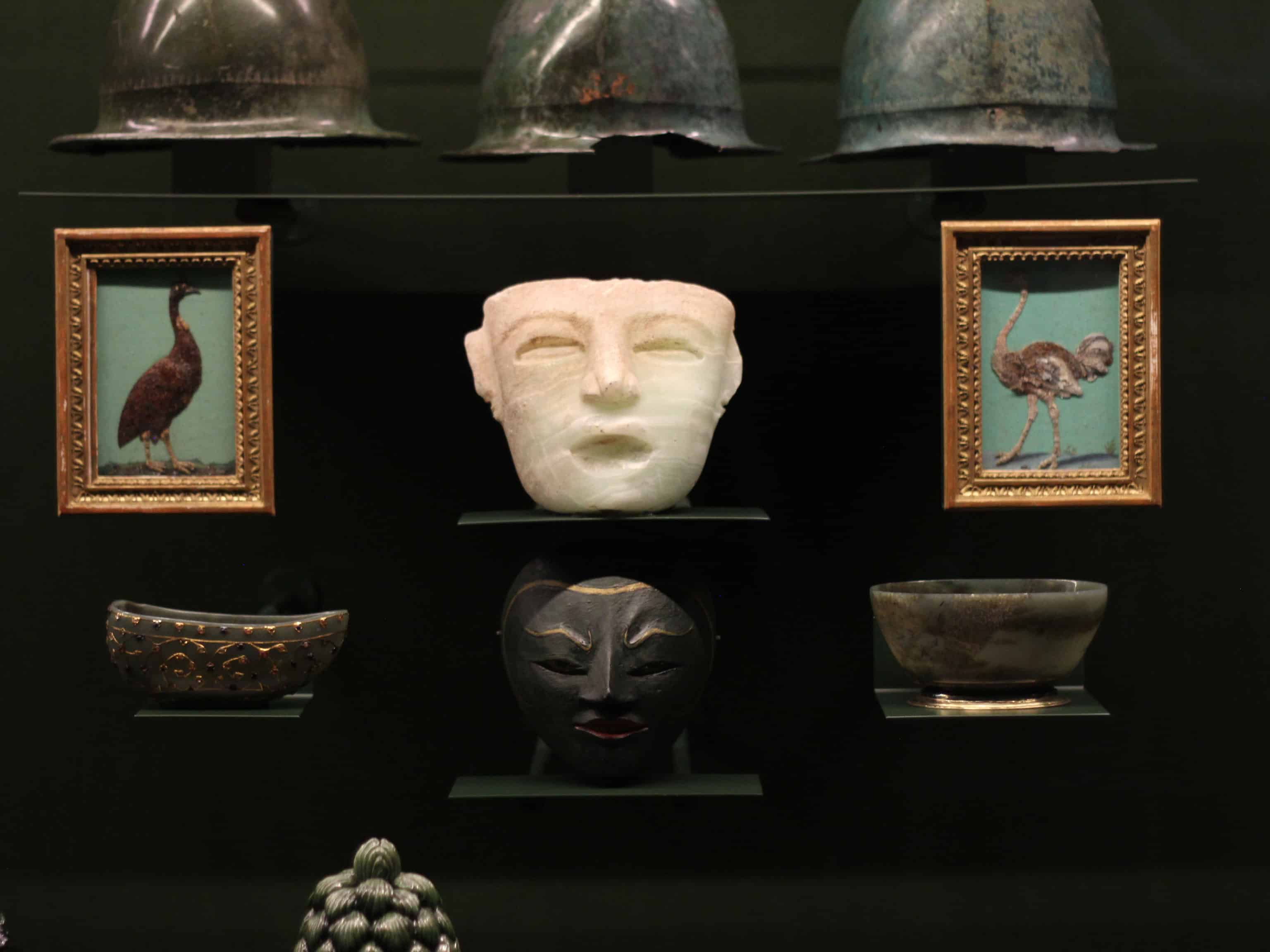
„Spitzmaus Mummy in a Coffin and Other Treasures" exhibition, photo: Dobrosława Nowak
Last twelvemonth, the exhibition in Vienna was reviewed by Cody Delistraty for the New York Times with these words: 'The desire to flatten and redefine works that were already bursting with their own histories fabricated the bear witness feel like the <Accidentally Wes Anderson> Instagram business relationship: It had Mr. Anderson'southward surface-level aesthetic, but none of the underlying narrative or emotion of his movies'.
What she says is non far from the truth. Anderson's visual way is undeniably noticeable at the exhibition (just as information technology is at the whole Fondazione Prada, including 'Luce Bar' designed past him in 2015, located at the very entrance of the gallery). At the aforementioned time, both inventively and senselessly juxtaposed works sadly remain on the surface level of the matter. Something didn't piece of work as it was supposed to, some guideline is missing. To justify the authors slightly, it'due south worth calculation that there is no one as precise and willing to put an unbelievable quantity of effort into his creation every bit Wes Anderson, but probably, later digging through 4.five million works in both museums (Cody Delistraty adds that the creative person couple isn't fluent in German language either), they stuck with creating the exhibition past following the visual temptations of colour, material, and size of the objects. 'Onscreen aesthetic is all about creating narratives and moods — of yearning, of melancholy, of passion. Art curation is a fundamentally unlike pursuit. Unlike a director moving actors around a ready, a museum curator cannot dictate how the works volition brand a viewer feel' – adds announcer.
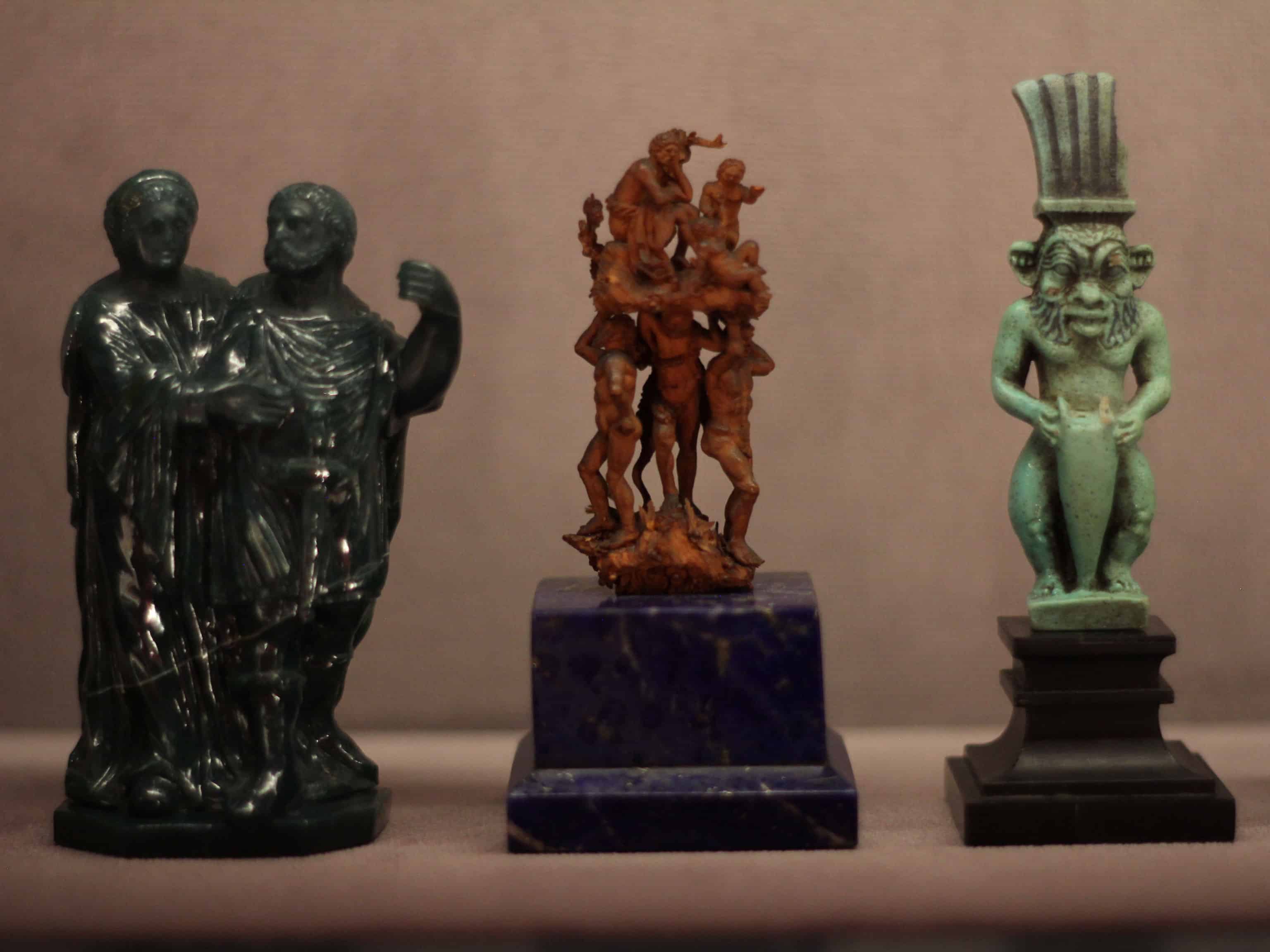

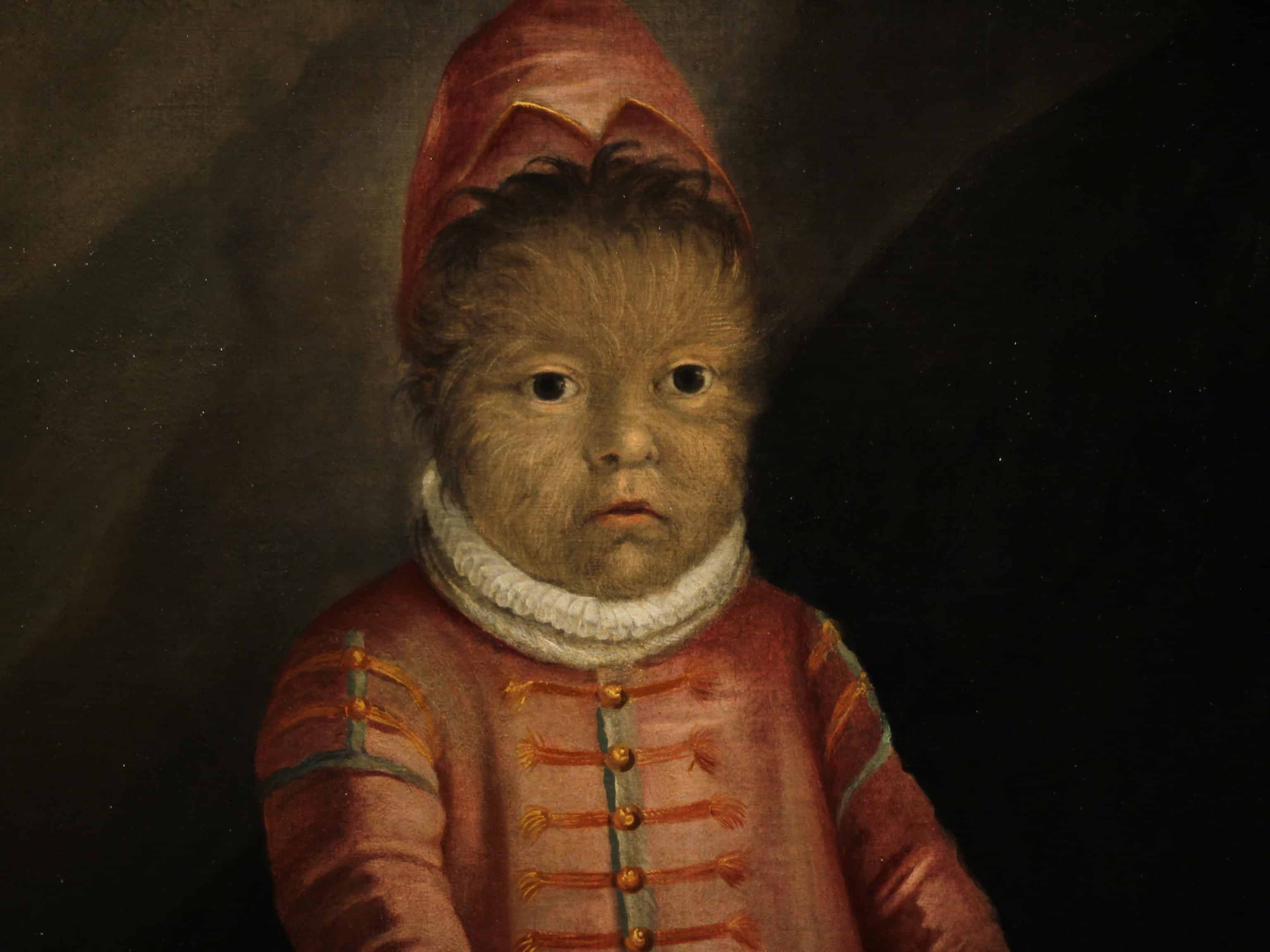
Every bit Wes Anderson explains at the beginning of the exhibition catalogue: 'Juman Malouf and I jumped at Jasper Sharp's offer to follow in the footsteps of the wonderful Ed Ruscha and Edmund de Waal, and curate our own version of the greatest hits of the Vienna Kunsthistorische because: a.) nosotros love the museum and have been visiting information technology on regular basis since we met over a decade agone; b.) we were honoured to exist asked and eager to exercise anything nosotros could to back up that magnificent establishment; and c.) nosotros thought it was going to be like shooting fish in a barrel'.
Putting aside the accuracy of the concept and curatorial operation, we will find a whole bunch of truly phenomenal objects at the exhibition. Some of them are notable works of art, as is a painting of Salome carrying the head of John the Baptist on a platter (Bernardino, 1532), others are curiosities like an emerald, a cigarette case, feathers, bowls.
We are sinking into the gallery space among intensely-orange curtains hung around the 'Podium'. The exhibition was aimed at creating a setting inspired by the Italian garden, with the presence of elements evoking hedges and allegorical pavilions typical of a Renaissance garden. The overall visual impression is somehow exotic, and at the same time, it looks as if we were inside a huge toy.
Edited past: Paulina Prońko
Il Sarcofago di Spitzmaus e altri Tesori
Fondazione Prada
20.09.2019-thirteen.01.2020
More than
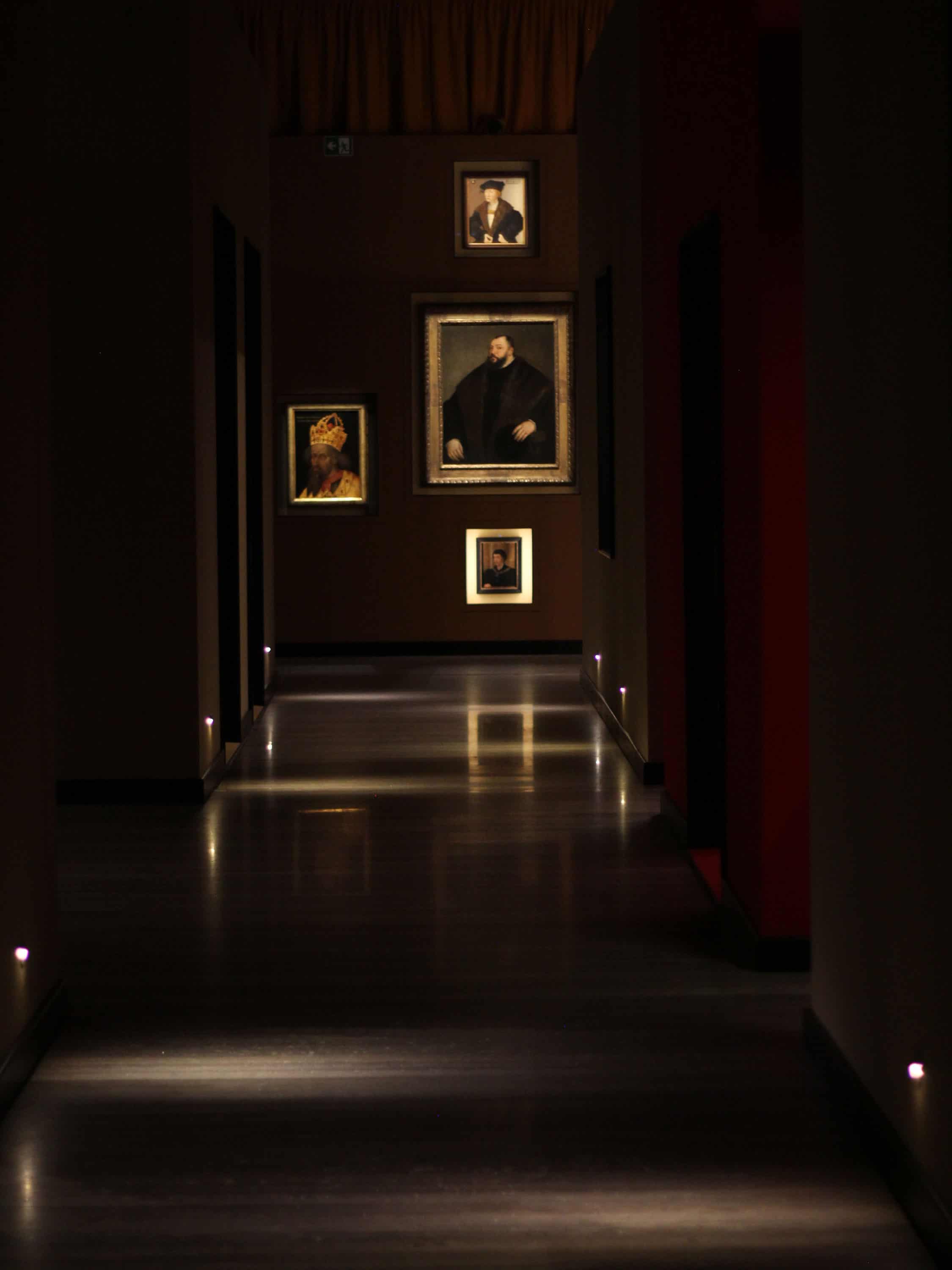
„Spitzmaus Mummy in a Coffin and Other Treasures" exhibition, photo: Dobrosława Nowak

Render to the homepage
Source: https://contemporarylynx.co.uk/spitzmaus-mummy-in-a-coffin-and-other-treasures-at-fondazione-prada
0 Response to "Spitzmaus Mummy in a Coffin and Other Treasures Review"
Post a Comment